4 Min Read
Kitchen Cabinet Options: A Homeowner’s Guide
Choosing the right kitchen cabinets is one of the most important decisions in a kitchen remodel. Cabinets typically make up a large portion of the visual space and budget, and they directly impact storage, workflow, and long-term durability. Homeowners often focus first on color or style, but the best results come from understanding cabinet types, materials, construction quality, and how each option fits your daily use. This guide walks through the key kitchen cabinet options to help you make a confident decision before your remodel begins.
Types of Kitchen Cabinets
Most kitchen remodels fall into three cabinet categories: stock, semi-custom, and custom.
Stock cabinets are pre-manufactured in standard sizes. They offer the fastest turnaround and lowest cost, but design flexibility is limited. These work well for budget-focused remodels or rental properties.
Semi-custom cabinets provide more flexibility in sizing, finishes, and accessories. Many homeowners choose this option because it balances cost with personalization. You can adjust depths, add storage features, and select upgraded materials.
Custom cabinets are built specifically for your kitchen. They allow complete control over layout, materials, finishes, and functionality. This option is ideal for unique layouts, older homes, or homeowners wanting a highly tailored design.
Cabinet Construction and Materials
Understanding cabinet construction helps you evaluate long-term durability. Not all cabinets are built the same.
Solid wood doors remain a popular choice for strength and longevity. Plywood cabinet boxes typically outperform particle board in moisture resistance and structural integrity. MDF is often used for painted finishes because it provides a smoother surface and reduces visible grain.
Quality indicators to look for include dovetail drawer construction, soft-close hinges, and full-extension drawer slides. These details improve both durability and daily usability.
Cabinet Door Styles
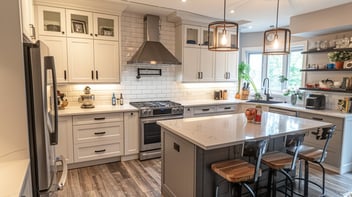
Cabinet door style sets the tone for your kitchen design. Shaker cabinets continue to be one of the most versatile options, fitting both traditional and modern spaces. Flat panel or slab doors create a clean, contemporary look. Raised panel cabinets lean more traditional and add depth to classic designs.
When selecting door styles, consider the overall home style and how the kitchen connects to nearby living areas. Consistency across spaces improves long-term design appeal.
Cabinet Finish Options
Finish selection impacts both appearance and maintenance. Painted cabinets offer a bright, clean look and work well in modern and transitional kitchens. Stained wood cabinets highlight natural grain and often hide wear more effectively.
White cabinets remain popular for resale value, while two-tone kitchens continue gaining traction for homeowners wanting contrast. Darker base cabinets paired with lighter uppers can add visual balance without overwhelming the space.
Storage and Functionality Options
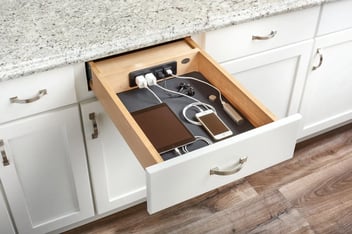
Cabinet functionality often matters more than style once you start using the kitchen daily. Pull-out trays, deep drawers, and pantry cabinets improve accessibility. Corner cabinet solutions, spice pull-outs, and trash roll-outs maximize storage.
These upgrades typically add modest cost but significantly improve long-term usability. Planning storage early in the design phase prevents regrets later.
Choosing Cabinets Based on Budget
Budget plays a major role in cabinet selection. Stock cabinets provide an entry point for cost-conscious remodels. Semi-custom cabinets allow upgrades in key areas while controlling overall spend. Custom cabinets deliver the highest level of personalization but require a larger investment.
A common strategy is mixing upgrades, such as choosing semi-custom cabinets with premium storage features in high-use areas like islands and pantry sections.
What We Recommend as Remodeling Professionals
From a remodeling standpoint, the best kitchen cabinet option balances durability, function, and design. Semi-custom cabinets with plywood construction, soft-close hardware, and thoughtful storage features often provide the strongest value for most homeowners. This approach delivers customization without the full cost of custom cabinetry.
Every home and layout is different, which is why cabinet selection should be part of the overall kitchen planning process. The right cabinets should support how you cook, store, and use your space every day.
If you're planning a kitchen remodel and want guidance on cabinet options, working with a design-build contractor helps ensure your selections align with layout, budget, and long-term goals. Wolfe Construction helps homeowners throughout West Tennessee evaluate kitchen cabinet options and design kitchens that balance style with everyday functionality.
Planning your remodel starts with understanding your choices. The right cabinet decision sets the foundation for a kitchen that looks great and works well for years to come.
FAQ: Kitchen Cabinet Options
What are the main kitchen cabinet options for a remodel?
The three main kitchen cabinet options are stock, semi-custom, and custom cabinets. Stock cabinets are pre-built and budget-friendly. Semi-custom cabinets allow modifications in size and features. Custom cabinets are built specifically for your kitchen layout and offer the most flexibility.
Which kitchen cabinet type is best for most homeowners?
Semi-custom kitchen cabinets are typically the best choice because they balance cost, durability, and design flexibility. They allow upgrades in materials and storage without the full investment of custom cabinetry.
What materials are best for kitchen cabinets?
Solid wood doors and plywood cabinet boxes are considered the most durable kitchen cabinet materials. MDF is commonly used for painted cabinets because it provides a smooth finish. Particle board is typically the least durable option.
What kitchen cabinet style is most popular?
Shaker-style kitchen cabinets remain the most popular because they work in modern, transitional, and traditional kitchens. They also hold long-term resale value and adapt well to changing design trends.
Are custom kitchen cabinets worth it?
Custom kitchen cabinets are worth it when you need a unique layout, specialized storage, or a specific design. For standard kitchen layouts, semi-custom cabinets often provide similar benefits at a lower cost.
What cabinet finish lasts the longest?
Stained wood cabinets typically show less wear over time, while painted cabinets offer a brighter look but may require touch-ups. Both options can last many years when built with quality materials.
How do I choose kitchen cabinets for my remodel?
Start by determining your budget, layout needs, and preferred style. Then compare cabinet types, materials, and storage features. Working with a remodeling contractor helps align cabinet choices with your overall kitchen design.
Do kitchen cabinets affect home value?
Yes. Updated kitchen cabinets are one of the most impactful upgrades for resale value. Neutral styles such as shaker cabinets in white or natural wood tend to appeal to the widest range of buyers.
What storage features should I add to kitchen cabinets?
Popular cabinet storage upgrades include pull-out shelves, deep drawers, pantry cabinets, corner cabinet organizers, and built-in trash roll-outs. These features improve functionality and daily use.
How much do kitchen cabinets cost in a remodel?
Kitchen cabinet costs vary based on type, materials, and customization. Stock cabinets cost less, semi-custom cabinets fall in the middle, and custom cabinets are the most expensive. Cabinets typically represent a significant portion of the kitchen remodel budget.